Monday, January 6, 2025

Welcoming 2025: A New Year, New Experiences, and New Goals


          Welcoming 2025: A New Year, New Experiences, and New Goals 


    The New Year always feels like a fresh start, a chance to reflect on the past and plan for the future. My New Year’s celebration this year was filled with simple yet memorable moments that I will cherish forever.  We began the evening with a casual dinner surrounded by my family and relatives. It wasn’t about fancy food or extravagant decorations, it was about being together, sharing laughter, and enjoying each other’s company. After dinner, we headed to our barangay’s New Year program. The event brought the whole community together, and it was heartwarming to feel that sense of unity and joy as we welcomed 2025.  


    Of course, what’s a New Year celebration without fireworks? Lighting them up was an exhilarating experience, filling the night sky with vibrant colors and the sound of celebration. The best part of the night, however, was playing games with my cousins. The fun and friendly competition, coupled with the thrill of winning prize money, made it a night to remember.  As the clock struck midnight and we welcomed the new year, I couldn’t help but think about the things I want to improve about myself. These are my resolutions for 2025:  

    I want to be more organized with my time, ensuring that I balance my responsibilities, hobbies, and personal time more effectively.  My family is my greatest treasure. I hope they continue to love me and, hopefully, scold me a little less this year. I’ll do my part by being more understanding and responsible.  I recognize the importance of self-discipline in achieving my goals. Whether it’s sticking to a routine, focusing on my studies, or simply following through on my commitments, I want to build better habits this year.  Beyond these, I aim to keep learning, improving, and striving to become the best version of myself.  

    As I step into 2025, I am filled with hope and determination. The New Year offers endless opportunities, and I’m ready to face them with optimism and perseverance. Here’s to a wonderful year ahead for all of us, may it be filled with growth, love, and countless memorable moments!  

Saturday, January 4, 2025

My Christmas Vacation: A Season of Joy and Togetherness


                          My Christmas Vacation: A Season of Joy and Togetherness


    Christmas has always been my favorite time of the year, and this holiday season was no exception. It was a perfect blend of faith, fun, and family, making it a truly unforgettable celebration.

    One of the most meaningful traditions we observed was attending the nine-day series of Masses, known as Simbang Gabi. This cherished Filipino Catholic practice is a beautiful way to anticipate Christmas, reflecting on the spirit of the season and expressing gratitude. Each morning, we would rise early, braving the cool December breeze to join the community in prayer. The serene atmosphere and heartfelt hymns made the experience even more special, filling our hearts with peace and joy.


After completing the Simbang Gabi, we shifted our focus to the festive preparations. A visit to Robinsons Ilocos Norte was next on our agenda. The mall was bustling with holiday cheer, its halls adorned with sparkling decorations and Christmas tunes playing in the background. We eagerly browsed through the stores, hunting for the perfect presents for our loved ones. The joy of finding thoughtful gifts and imagining the smiles they would bring added an extra layer of excitement to our shopping spree.

Christmas Eve brought the much-anticipated family dinner. Our home was filled with laughter and the aroma of delicious dishes prepared with love. Relatives from near and far gathered around the table, sharing stories, memories, and of course, the scrumptious feast. 


The highlight of the night was the games we hosted. With prizes up for grabs, everyone eagerly joined in, from kids to the young-at-heart adults. The competitive yet lighthearted spirit created moments of hilarity and camaraderie that we will cherish forever.


The entire vacation was a reminder of what truly matters during the holidays: faith, family, and the joy of giving. It wasn’t just about the presents or the food, but the shared experiences and the warmth of being surrounded by loved ones.

    As I look back on this Christmas, I feel incredibly blessed and grateful. It was a time of renewal, not only of our faith but also of our connections with each other. Here’s to carrying the spirit of Christmas in our hearts throughout the year!


Sources :  Makvana, H. (2018, December 14). 51 Interesting Games for Family Get Together. MomJunction. https://www.momjunction.com/articles/family-games-to-have-fun-together_00461779/

(2025). Istockphoto.com. https://www.istockphoto.com/photos/family-meal

Robinsons Place Ilocos Office. (2019, June 14). Robinsons Offices. https://robinsonsoffices.com/properties/robinsons-place-ilocos-office

lpmi. (2015, November 9). Simbang Gabi (or Misa de Gallo) All Invited! Diocese of Saint Petersburg. https://www.dosp.org/simbang-gabi-or-misa-de-gallo-all-invited/

Monday, December 9, 2024

"Overcoming Challenges in Learning HTML"

                                  "Overcoming Challenges in Learning HTML"


    This quarter, I discovered the basics of creating websites using HTML. I learned how to structure webpages by incorporating elements such as headings, paragraphs, images, and links. These skills deepened my appreciation for web development, showing me how every component contributes to the functionality of a webpage. Engaging in hands-on activities highlighted the importance of accuracy and attention to detail in coding, as even minor errors could significantly impact the final output. It was incredible to see how a series of codes could be transformed into a visual and interactive web page.

    One of the challenges I encountered was managing my time while retaining the concepts I learned. Balancing multiple subjects, school projects, and personal responsibilities often felt overwhelming. There were moments when I couldn’t dedicate enough time to practicing HTML, which affected my confidence in applying new skills. I also found it challenging to recall specific tags and their functions, especially when tackling more complex tasks. This led to assignments taking longer than expected, as I frequently had to revisit and review previous lessons.

    To overcome these challenges, I focused on improving my time management skills. I created a study schedule with dedicated time for practicing HTML, allowing me to work without distractions. Additionally, I started using flashcards and summarizing frequently used HTML tags, making it easier to review and retain information.

    Looking ahead, I am committed to taking greater responsibility for my learning. I plan to remain consistent and disciplined in my efforts, setting clear goals for each study session and tracking my weekly progress. Regularly reviewing lessons, even outside of class hours, will help reinforce my understanding of HTML. By staying organized and putting in consistent effort, I am confident that I can continue improving my skills and achieve even better results in the next quarter.

Empowering Women, Ending Violence: The Fight for Equality and Safety

             Empowering Women, Ending Violence: The Fight for Equality and Safety


    Violence Against Women (VAW) continues to plague societies globally, with the Philippines being no exception. The alarming findings from the 2022 National Demographic and Health Survey (NDHS) underline this reality: nearly 1 in 5 Filipino women have endured some form of emotional, physical, or sexual violence. This crisis necessitates urgent action, advocacy, and education, which are at the heart of the yearly 18-day Campaign to End Violence Against Women. Anchored on Republic Act No. 9262, or the Anti-Violence Against Women and Their Children (VAWC) Act of 2004, this campaign highlights the imperative of collective efforts to protect women and uphold their rights.

The Anti-VAWC Act of 2004 serves as a cornerstone in the fight against gender-based violence. It recognizes various forms of abuse—physical, emotional, economic, and sexual—against women and their children, particularly within intimate relationships. Beyond legal protection, RA 9262 empowers women through support services, such as temporary shelter, legal assistance, and psychological counseling. Its yearly spotlight during the 18-day Campaign to End VAW reminds us of the need for vigilance and sustained advocacy to foster safer environments for women and children.


One of the most progressive laws addressing gender-based violence is the Safe Spaces Act (RA 11313). Enacted in 2019, this legislation extends protection from harassment to both public and private spaces. It defines harassment to include catcalling, wolf-whistling, misogynistic slurs, and cyber-harassment, underscoring the need to ensure women’s safety in modern contexts. By holding perpetrators accountable regardless of where harassment occurs, the Safe Spaces Act challenges societal norms that trivialize women's experiences and rights. This law not only empowers victims but also serves as a wake-up call for communities to foster respectful behavior.
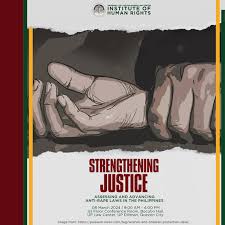

Rape remains one of the most heinous crimes faced by women. The Anti-Rape Law of 1997, amended in 2022 by RA 11648, reflects the evolution of legal responses to this crime. RA 11648 raised the age of sexual consent from 12 to 16 years, addressing long-standing criticisms about insufficient protection for minors. By recognizing consent as the cornerstone of lawful sexual relations, the law advocates for the bodily autonomy and dignity of all individuals, particularly the youth. It also provides stricter penalties for offenders, signaling zero tolerance for sexual violence.
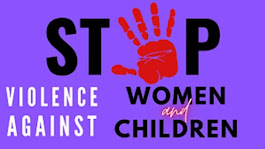

Ending violence against women is not merely a legal or social obligation—it is a moral imperative. The Anti-VAWC Act, Safe Spaces Act, and Anti-Rape Law collectively contribute to the protection and empowerment of women, ensuring a future where they can thrive free from fear and harm. Through campaigns like the 18-day observance, we reaffirm our commitment to these ideals, urging every individual to take part in dismantling the culture of violence and fostering equality. This National Women’s Month, let us celebrate not just the achievements of women but also the strides made in safeguarding their rights, striving for a truly inclusive society.


Sources : Philippine Statistics Authority. (2023). Philippine Statistics Authority | Republic of the Philippines. Psa.gov.ph. https://psa.gov.ph/

Amnesty International Philippines. (n.d.). Amnesty Philippines. https://www.amnesty.org.ph/

(2024). Gabrielawomensparty.net. https://ww25.gabrielawomensparty.net/?subid1=20241209-2241-05d0-9047-f89d5db6cb41

R.A. 11313: Safe Spaces Act. (2024, July 14). Labor Law PH Library. https://library.laborlaw.ph/r-a-11313-safe-spaces-act/

Respicio, H. (2025, January 16). RESPICIO & CO. RESPICIO & CO. https://www.respicio.ph/bar/2025/criminal-law/special-penal-laws/an-act-providing-for-stronger-protection-against

Philippines Demographic and Health Survey 2022 | GHDx. (2022). Healthdata.org. https://ghdx.healthdata.org/record/philippines-demographic-and-health-survey-2022

REPUBLIC ACT NO. 11648 - AN ACT PROMOTING FOR STRONGER PROTECTION AGAINST RAPE AND SEXUAL EXPLOITATION AND ABUSE, INCREASING THE AGE FOR DETERMINING THE COMMISSION OF STATUTORY RAPE, AMENDING FOR THE PURPOSE ACT NO. 3815, AS AMENDED, OTHERWISE KNOWN AS “THE REVISED PENAL CODE,” REPUBLIC ACT NO. 8353, ALSO KNOWN AS “THE ANTI-RAPE LAW OF 1997,” AND REPUBLIC ACT NO. 7610, AS AMENDED, OTHERWISE KNOWN AS THE “SPECIAL PROTECTION OF CHILDREN AGAINST ABUSE, EXPLOITATION AND DISCRIMINATION ACT” - Supreme Court E-Library. (2022). Judiciary.gov.ph. https://elibrary.judiciary.gov.ph/thebookshelf/showdocs/2/94255?utm_

Philippine Statistics Authority (PSA. (2023, June 7). National Demographic and Health Survey 2022 - Philippines. Worldbank.org. https://microdata.worldbank.org/index.php/catalog/5846?utm_ 

Thursday, December 5, 2024

Elpidio Quirino: A Legacy of Leadership and Service

 Elpidio Quirino: A Legacy of Leadership and Service

    Elpidio Quirino, the sixth President of the Philippines, is remembered as a statesman whose life and leadership were marked by resilience, determination, and a vision for a progressive nation. From his humble beginnings to his remarkable career in public service, Quirino's story continues to inspire generations of Filipinos.

    Elpidio Quirino was born on November 16, 1890, in Vigan, Ilocos Sur. His parents, Mariano Quirino and Gregoria Rivera, instilled in him the values of perseverance and education despite their modest means. He pursued his early education in Vigan and later graduated from the University of the Philippines with a degree in law in 1915. His journey from being a schoolteacher to a lawyer was fueled by his desire to uplift his family and contribute to his country’s progress.

    Quirino’s political career began when he served as a private secretary to President Manuel Quezon in 1919. He was later elected as a congressman representing Ilocos Sur, where he became known for his advocacy for national development and public welfare. He continued to rise through the political ranks, serving as a senator and eventually as Vice President under President Manuel Roxas in 1946. When President Roxas passed away in 1948, Quirino assumed the presidency. He was later elected in his own right in 1949, becoming the second President of the independent Republic of the Philippines.

    Quirino’s presidency was a period of reconstruction and recovery following the devastation of World War II. His administration focused on rebuilding the nation’s economy, modernizing infrastructure, and promoting social welfare. Under his leadership, the Central Bank of the Philippines was established to stabilize the country’s financial system. He also championed agrarian reform and housing projects, providing land and shelter to war veterans and impoverished families. Despite criticisms and controversies during his term, including allegations of corruption, Quirino remained steadfast in his vision of creating a stronger, more self-reliant nation.


    Beyond his economic programs, Quirino was deeply committed to promoting education and cultural preservation. He believed that a strong educational system was vital to nation-building and emphasized the importance of instilling patriotism in the youth. His administration also fostered closer ties with neighboring countries, strengthening the Philippines’ role in regional diplomacy and cooperation.

    Elpidio Quirino’s leadership and resilience left a lasting legacy, shaping the Philippines during a time of recovery and transition. His dedication to public service, despite personal tragedies—including the loss of his wife and children during World War II—demonstrated his unwavering commitment to his nation. Quirino’s life reminds us of the power of determination and vision in overcoming adversity and striving for progress.


    Today, his contributions to the Philippines serve as a testament to his enduring legacy as a leader who sought to rebuild and inspire a nation in the aftermath of war.


Sources : https://up.edu.ph/
https://www.nhcp.gov.ph/
https://psa.gov.ph/

Honoring Heritage: Promoting the Rights and Culture of Indigenous Peoples

 Honoring Heritage: Promoting the Rights and Culture of Indigenous Peoples

    The celebration of National Indigenous Peoples Month 2024 and the 27th year of the Indigenous Peoples Rights Act (IPRA) shines a spotlight on the invaluable contributions of Indigenous Peoples (IPs) to our nation’s identity. With the theme, “Mga Katutubo at Katutubong Dunong: Pahalagahan, Pangalagaan, at Parangalan,” this observance serves as both a tribute to their enduring legacy and a call to action to protect their rights, lands, and cultural heritage.


    The IPRA, enacted in 1997, was a landmark legislation that affirmed the rights of IPs to ancestral domains, self-governance, cultural integrity, and social justice. This law stands as a testament to the recognition of their rightful place in Philippine society. The month-long observance, through various cultural and educational initiatives, amplifies the importance of these rights and highlights the unique traditions, knowledge systems, and practices that IPs have safeguarded for generations.

    By celebrating Indigenous Peoples Month, awareness about the challenges faced by IPs, such as land disputes, discrimination, and the erosion of traditional practices, is heightened. Cultural showcases, storytelling, and dialogues foster deeper understanding and appreciation among the broader public. These efforts help dismantle stereotypes, reduce marginalization, and create avenues for collaboration in addressing the issues IPs face.


Furthermore, the theme emphasizes the need for action: valuing Indigenous knowledge by incorporating it into education and environmental conservation, nurturing their communities through policies that support their livelihoods and well-being, and honoring their contributions by giving them a platform to share their voices and stories. Such initiatives not only preserve their heritage but also inspire sustainable practices rooted in ancestral wisdom.

    This observance also aligns with global efforts to uphold Indigenous rights, resonating with the principles of the United Nations Declaration on the Rights of Indigenous Peoples (UNDRIP). By fostering an inclusive society that respects diversity, the Philippines contributes to a global movement that cherishes humanity’s shared heritage.


    As we commemorate the 27th year of the IPRA, let us renew our commitment to stand alongside our Indigenous brothers and sisters in their fight for justice, equality, and recognition. Their knowledge and culture are treasures that enrich our national identity, and it is our duty to ensure their preservation for generations to come.

    Let us not only celebrate their legacy this October but carry forward the lessons of respect and inclusion every day. Together, we can build a society that truly values, nurtures, and honors the Indigenous Peoples of the Philippines.


Sources : https://psa.gov.ph/
https://social.desa.un.org/issues/indigenous-peoples/united-nations-declaration-on-the-rights-of-indigenous-peoples
https://www.unesco.org/en/indigenous-peoples
https://www.ncip.gov.ph/

Climate Change and the Resilience of Filipinos: Facing Environmental Challenges Together

 Climate Change and the Resilience of Filipinos: Facing Environmental Challenges Together

    The Philippines is no stranger to the impacts of climate change. As one of the most vulnerable countries to environmental disasters, our nation faces the harsh realities of rising sea levels, worsening typhoons, and unpredictable weather patterns. These challenges disrupt lives, livelihoods, and communities, leaving many Filipinos in a constant state of rebuilding and adapting.


    The environmental changes we witness today are both sudden and progressive, driven by several interconnected factors. Global warming, fueled by greenhouse gas emissions from burning fossil fuels, deforestation, and industrial activities, has led to rising global temperatures and more intense weather events. Deforestation and land degradation have stripped the country of natural barriers, making communities more susceptible to floods and landslides. Rapid urbanization, often outpacing infrastructure development, exacerbates the problem, as poor waste management leads to clogged drainage systems and worsens flooding. Rising sea levels threaten coastal areas where many Filipinos live, causing displacement, habitat destruction, and erosion of vital natural resources. Moreover, climate patterns such as El Niño and La Niña disrupt water supplies and agricultural productivity, undermining food security for millions.

    Despite these challenges, Filipinos have shown extraordinary resilience. The spirit of bayanihan, or collective action, emerges during calamities, with communities coming together to rebuild, share resources, and support one another. This resilience is a source of national pride, but it must be complemented by long-term solutions to address the root causes of climate change and reduce vulnerabilities.


Strengthening the enforcement of environmental policies such as the Clean Air Act and the Climate Change Act is crucial to mitigating damage. Investing in renewable energy sources like solar and wind can reduce greenhouse gas emissions and ensure a sustainable future. Empowering communities to develop disaster-resilient infrastructure and sustainable practices is equally important in reducing risks. Education and public awareness campaigns must also play a role in promoting environmental responsibility and sustainable lifestyles.


The challenges posed by climate change demand a united response. Resilience alone is not enough. We must adapt, innovate, and advocate for systemic change to protect the lives and livelihoods of millions of Filipinos. Together, we can build a more resilient and sustainable Philippines—one that not only withstands the storms of climate change but thrives despite them.

This is a call to action for all of us to take part in creating a safer, more sustainable future for our nation and the generations to come. Let us stand firm and work together to protect our people and our environment.


Sources : https://www.ipcc.ch/
https://denr.gov.ph/
https://www.noaa.gov/

A Journey of Tradition and Unity: ISNHS 123rd High School Day

 A Journey of Tradition and Unity: ISNHS 123rd High School Day The excitement was in the air. The smell of fresh grass and street food mixed...