Sunday, March 30, 2025

A Journey of Tradition and Unity: ISNHS 123rd High School Day

 A Journey of Tradition and Unity: ISNHS 123rd High School Day


The excitement was in the air. The smell of fresh grass and street food mixed together, and everywhere I looked, students were full of energy and excitement for ISNHS’s 123rd High School Day. It wasn’t just an event—it was a celebration of tradition, talent, and togetherness that showed the strength of our school community.


In the weeks before the event, everyone was busy. Mornings were filled with practices for the Battle of the Bands and field demonstrations. Clubs prepared their booths, turning the school grounds into a lively marketplace. My friends and I worked hard to make our ideas come to life, sharing laughs, stress, and support along the way. It was tiring but fun, and it made us feel more connected.


When the big day finally came, it was amazing. The Battle of the Bands rocked the stage with incredible performances, and the field demonstrations from Grades 7 to 11 were impressive, showing how teamwork and practice pay off. Beyond the events, we enjoyed food, games, and conversations with friends and teachers. It was a chance to relax, bond, and celebrate what makes ISNHS special.

High School Day is more than a fun celebration. It honors the history of ISNHS, the hard work of those who came before us, and the talents of today’s students. It reminds us of the values and traditions that make our school unique. It’s a way to show respect for the past and inspire the future.

The 123rd High School Day made me feel proud to be part of ISNHS. It was a reminder of the strength of our community and how much we can achieve when we work together. As we look to the future, I am excited to keep building on this legacy and help make ISNHS even better in the years to come.


Overcoming Challenges in MS FrontPage


Overcoming Challenges in MS FrontPage

The second quarter was busy and full of learning. Using MS FrontPage was both challenging and rewarding. At first, it felt overwhelming, but I slowly got the hang of it. I learned how to add text and pictures, design web pages, and create a homepage. I also figured out how to use hyperlinks to connect pages, making websites easier to navigate. These skills seemed tough at first, but with practice, they became easier.


Of course, learning MS FrontPage wasn’t all smooth sailing. The limited time for the course, along with a hectic schedule, made it hard to focus. Sometimes, I felt stressed trying to balance my studies with everything else. Technical issues like computer bugs, system crashes, and slow performance also made things frustrating. It was tough dealing with these problems, but I realized patience was key.


To manage these challenges, I focused on better time management. I planned my study sessions, set priorities, and made the most of my time. I also learned some basic troubleshooting skills to fix minor computer problems. Saving my work often and keeping backups helped me avoid losing progress. Staying patient during slow computer moments made the process less stressful.


Going forward, I’m excited to keep improving my MS FrontPage skills and explore more advanced features. I’ll use what I learned about time management, troubleshooting, and patience in future tasks. This experience showed me that learning takes effort, but it’s worth it. With determination and a positive mindset, I can overcome challenges and keep growing.

Building My Future: A 15-Year Plan for Success and Happiness

 Fifteen years from now, I see myself living a happy, successful, and fulfilling life. My main focus right now is on my studies because I believe that a good education is the key to achieving my dreams. I want to study in Canada with my siblings, where we can support and motivate each other. We will face challenges together and celebrate each other’s successes. Studying abroad will not only help me gain the skills I need for a stable and high-paying job but also expose me to a new environment that will help me grow as a person.

Once I finish my studies and secure a good job, I want to start trading like my brother. Learning how to trade and invest smartly will help me grow my savings and achieve financial stability. With patience and discipline, I believe I can become successful in this field. Being financially stable is important to me because it will give me the freedom to support my family and reach my goals.

One of my biggest dreams is to bring my girlfriend and family to Canada. It would mean so much to live together, sharing life’s joys and challenges while building a brighter future. Having my loved ones close to me would give me strength and motivation to work even harder. I want to give them a life filled with happiness and comfort.

Traveling the world with my girlfriend and family is something I truly look forward to. I want to experience different cultures, try new foods, and make unforgettable memories. Exploring new places will teach me more about the world and help me appreciate life even more. I believe traveling will strengthen our bond and help us grow closer.

When I am financially ready, I plan to start my own family. I want a loving and peaceful home where my children can grow up safe, happy, and inspired. I will teach them the values of hard work, kindness, and respect. I want to be a good role model for my children and help them achieve their dreams.

I know the path to my dreams will not be easy. There will be challenges along the way, but I am determined to work hard and stay focused. With dedication and perseverance, I believe I can turn my dreams into reality. I am excited about the future and all the opportunities it holds for me and the people I love.

United for Equality: Building an Inclusive Society for All

 United for Equality: Building an Inclusive Society for All


Gender equality is not just a goal—it is a fundamental human right and a cornerstone for a prosperous, inclusive society. The theme "WE for Gender Equality and an Inclusive Society" calls for a collective commitment to break down barriers that perpetuate discrimination and injustice. It is a rallying cry to ensure that everyone, regardless of gender, has the same rights, opportunities, and respect.


The fight for gender equality goes beyond addressing women’s issues; it’s about creating a world where all individuals can thrive. An inclusive society values diversity, promotes equity, and recognizes the unique contributions of each person. This vision is critical in challenging harmful stereotypes and empowering individuals to reach their full potential. It emphasizes that true equality benefits everyone—men, women, and gender minorities—by fostering a culture of mutual respect and support.


In the Philippines, significant strides have been made toward gender equality. Laws such as the Anti-VAWC Act, Safe Spaces Act, and Anti-Rape Law exemplify the nation’s commitment to protecting the rights and safety of women and children. These legislations not only punish offenders but also provide support services for survivors, underscoring the importance of healing and justice.


However, achieving true gender equality requires more than laws—it demands changing mindsets. It calls for education, awareness, and community efforts to challenge deep-rooted biases. Schools, workplaces, and families must foster inclusive environments where everyone feels safe and valued. We need champions of equality in every sector to lead by example, advocate for policy changes, and uplift marginalized voices.

Let us recognize that gender equality is not a women’s issue—it is a societal issue. By working together, we can create a future where everyone is empowered to achieve their dreams without fear of discrimination. The theme "WE for Gender Equality and an Inclusive Society" reminds us that the journey toward true inclusion begins with each of us. Let’s commit to building a society where every individual—regardless of gender identity—has the freedom to live with dignity, respect, and opportunity.

Together, WE can achieve gender equality and build a more inclusive, compassionate, and just world.


Monday, February 17, 2025

Kannawidan Ilocos Sur A Legacy of Culture and Tradition


Kannawidan Ilocos Sur A Legacy of Culture and Tradition


    Kannawidan Ilocos Sur is a vibrant festival that celebrates the rich cultural heritage and traditions of the province. Held annually in Vigan City, this event showcases the deep-rooted customs, arts, and crafts of the Ilocano people, preserving their identity for future generations.


    One of the main highlights of Kannawidan is the display of traditional products from different municipalities, emphasizing local craftsmanship and agriculture. From indigenous woven fabrics to native delicacies, the festival promotes and supports local businesses, helping sustain the economy of the region. Additionally, the festival features cultural performances, street dances, and historical reenactments, bringing to life the unique traditions of Ilocos Sur.


    Aside from preserving culture, Kannawidan Ilocos Sur strengthens community bonds. It provides a platform for both young and old to reconnect with their heritage and take pride in their roots. Through various competitions and events, locals and tourists alike gain a deeper appreciation for Ilocano history and customs.


    Moreover, the festival serves as a major tourism attraction, drawing visitors from different parts of the country and beyond. It boosts the local tourism industry, creating opportunities for small businesses, artisans, and performers to showcase their talents and products to a wider audience.


    In essence, Kannawidan Ilocos Sur is more than just a festival—it is a testament to the resilience and creativity of the Ilocano people. By honoring their history and traditions, the festival ensures that the legacy of Ilocos Sur continues to thrive in the modern era.


Sources : Philippine Star - LOOK: As part of Kannawidan Ylocos Festival,... (2023). Facebook.com. https://www.facebook.com/PhilippineSTAR/posts/look-as-part-of-kannawidan-ylocos-festival-students-representing-the-different-b/1643842212436120/

‌The Ilocos Sur Kannawidan Festival 2023 Street Dance Competition | Province of Ilocos Sur. (2023, February 12). Ilocossur.gov.ph. https://mis.ilocossur.gov.ph/2023/02/12/the-ilocos-sur-kannawidan-festival-2023-street-dance-competition/

‌🇵🇭 VIGAN • Blog Coverage: Kannawidan Festival’s First Street Dancing. (2016, March 4). EDMARATION #TownExplorer. https://www.edmaration.com/2016/03/kannawidan-festival-vigan-ilocos-sur.html

‌Kannawidan Ylocos Festival: Uppat a Tawenen a Mangitantandudo kadagiti Kultura ken Tradision ti Ilocos Sur. (2011, February 9). Around Ilocandia Channel. https://aichannel.wordpress.com/2011/02/09/kannawidan-ylocos-festival-uppat-a-tawenen-a-mangitantandudo-kadagiti-kultura-ken-tradision-ti-ilocos-sur/

‌


The Origin and Significance of Valentine's Day

 The Origin and Significance of Valentine's Day


    Valentine’s Day, celebrated every February 14, is a day dedicated to expressing love and affection to those we cherish. While it has evolved into a global celebration filled with chocolates, flowers, and heartfelt messages, its origins trace back to ancient times, deeply rooted in history and tradition. The history of Valentine’s Day dates back to ancient Rome. One popular legend revolves around Saint Valentine, a priest who defied Emperor Claudius II’s decree that young men should not marry, as he believed single men made better soldiers. Saint Valentine secretly performed marriages for young lovers, leading to his imprisonment and eventual execution on February 14. Before his death, he reportedly sent a note to a young woman he loved, signing it, “From your Valentine,” a phrase that still endures today. Over time, Valentine’s Day became associated with love and romance. During the Middle Ages, February 14 was believed to be the beginning of birds’ mating season, reinforcing the idea that this day was meant for expressing affection. By the 18th century, people in England began exchanging handwritten notes, a tradition that has since evolved into the elaborate Valentine’s Day celebrations we see today.

    Valentine’s Day is more than just a day of gift-giving; it is a reminder to appreciate and cherish our relationships. In the hustle of everyday life, we often take our loved ones for granted. Valentine’s Day provides an opportunity to pause, reflect, and express our love, whether through words, gestures, or quality time spent together. It is not just for romantic couples; Valentine’s Day also celebrates love in all its forms, familial, platonic, and self-love. People use this day to show gratitude to friends, family members, and even themselves, reinforcing the idea that love is universal and limitless.


Love is a powerful force that brings meaning to our lives. To me, love is about understanding, patience, and genuine care for another person’s well-being. It is not measured by grand gestures but by the small, everyday acts of kindness and support that strengthen relationships. I show love to my loved ones in different ways: spending time with them, whether through meaningful conversations, shared experiences, or simply being present, is my way of showing appreciation. Acts of service, such as doing small things to make their lives easier, like helping with tasks, cooking a meal, or simply lending a hand when needed, are also expressions of love. Expressing my feelings through kind words, compliments, and encouragement reminds them that they are valued. A warm hug, a reassuring touch, or a comforting presence can speak volumes about love and care. Additionally, I prefer giving thoughtful gifts that hold sentimental value rather than extravagant presents, as they show that I truly understand and appreciate the person.


    Valentine’s Day serves as a beautiful reminder that love is worth celebrating every day, not just once a year. Whether through romantic relationships, friendships, or familial bonds, love is the foundation that keeps us connected. While gifts and surprises add excitement to the day, the true essence of Valentine’s Day lies in genuine expressions of affection and appreciation. So, as Valentine’s Day approaches, take a moment to reflect on what love means to you and find ways to make your loved ones feel cherished, not just on February 14, but every day of the year.


Sources : 14 Ways to Have a Healthy and Happy Valentine’s Day Date. (2019). Samitivejhospitals.com. https://www.samitivejhospitals.com/article/detail/healthy-valentines-day-date

(2024). Istockphoto.com. https://www.istockphoto.com/photos/valentines-day-date

‌

Saturday, February 8, 2025

Celebrating Culture: Exploring Vigan’s Longganisa and Binatbatan Festivals


Celebrating Culture: Exploring Vigan’s Longganisa and Binatbatan Festivals


Our group embarked on a meaningful journey to explore the rich cultural heritage of Vigan, Ilocos Sur, by focusing on its two most vibrant festivals, the Longganisa Festival and the Binatbatan Festival. Through this research, we aimed to understand how these celebrations reflect the identity, traditions, and economic impact of Vigan.


Our team proudly presented our research titled "Doon Po Sa Amin, Pistay Kinagigiliwan", which highlights the significance of Vigan’s festivals. We collaborated to create a website featuring detailed insights, interviews, and multimedia content about the Longganisa and Binatbatan Festivals.


To gather firsthand information, we interviewed a local worker who has been a worker in Vigan for years. He shared how the Longganisa Festival not only promotes their products but also helps sustain their livelihood. This festival celebrates Vigan’s famous garlicky sausages, which have become a cultural symbol of the city.

We also spoke with a business owner near Calle Crisologo, who discussed how the Binatbatan Festival brings tourists and boosts local businesses. This festival is inspired by the binatbatan weaving tradition, which is deeply rooted in Vigan’s heritage. The event showcases traditional dances that depict the process of weaving Abel Iloco fabric, a treasured local craft.

Throughout the research, we encountered challenges, such as coordinating interviews and ensuring credible sources for our data. However, teamwork and perseverance helped us overcome these obstacles. We also learned the importance of preserving cultural traditions, as these festivals play a crucial role in keeping Vigan’s history and heritage alive.


In conclusion, Our exploration of Vigan’s Longganisa and Binatbatan Festivals deepened our appreciation for Filipino culture. These celebrations are more than just grand events; they serve as a reminder of the city’s history, artistry, and livelihood. We hope our research inspires others to embrace and support local traditions, ensuring that they continue to thrive for future generations.

Sources : https://ourheritagehomes.com/my/reliving-the-vibrancy-of-vigan-longganisa-festival/


Embracing Growth Through Research and Technology

 Embracing Growth Through Research and Technology


This quarter has been a meaningful journey filled with new knowledge, challenges, and personal growth. I explored community-based research (CBR) and its role in understanding and preserving local culture. Through this, I learned the value of collaboration, inclusivity, and the importance of using research to create positive change within a community.


One of the most exciting aspects of this quarter was learning HTML coding, particularly in structuring content using ordered lists, unordered lists, and description lists. These skills are useful in organizing digital information, making websites and blogs more structured and easy to navigate.


However, challenges also came along the way. Finding reliable research sources and properly citing references required extra effort, while understanding nested lists and different numbering formats in HTML took time to master. Despite these difficulties, I was able to overcome them by practicing consistently and working closely with my peers. Seeking guidance and using learning resources helped me gain confidence and improve my skills.

Looking ahead, I plan to apply what I have learned to future projects, ensuring that my research contributes to meaningful community discussions. Additionally, I will continue enhancing my digital skills, knowing that they are essential in today’s technology-driven world. This quarter has been a rewarding experience, and I look forward to more learning opportunities in the future.


Sources : Brightlan, D. (2020). Man Holds His Morning Coffee Checking His Computer. Vecteezy. https://www.vecteezy.com/free-vector/man-computer

Bayu Karina. (2021). A Man Works from Home Using a Computer. Vecteezy. https://www.vecteezy.com/free-vector/man-using-computer

National Coding Week, & Rolfe, R. (2023, September 15). National Coding Week. National Coding Week. https://codingweek.org/five-ways-to-learn-how-to-write-computer-code/

‌

‌


Tuesday, February 4, 2025

Why Do Filipinos Celebrate Chinese New Year?

                                   Why Do Filipinos Celebrate Chinese New Year?

The Chinese New Year, also known as the Lunar New Year or Spring Festival, is one of the most anticipated celebrations not only in China but also in various countries, including the Philippines. Despite being a predominantly Catholic nation, the Philippines has embraced the observance of Chinese New Year, making it an integral part of its culture. This celebration is deeply rooted in history, shared values, and the multicultural identity of the nation.

The Philippines has a long history of Chinese influence, dating back to pre-colonial times. Chinese merchants were among the earliest traders who established relationships with native Filipinos. Over the centuries, many Chinese immigrants settled in the country, forming a significant Chinese-Filipino (Tsinoy) community. As a result, their traditions, including the observance of Chinese New Year, became embedded in Philippine society. The fusion of Chinese and Filipino customs showcases the lasting impact of this historical connection.

One of the main reasons Filipinos celebrate Chinese New Year is the shared belief in good fortune and prosperity. Just like the Chinese, many Filipinos believe in attracting positive energy, wealth, and success at the start of the year. Families participate in traditions such as preparing round fruits, lighting firecrackers, and displaying lucky charms to usher in good luck. The practice of feng shui, which focuses on harmonizing one’s environment for prosperity, aligns with the Filipino value of hope and abundance for the coming year.


The vibrant celebrations in Chinatown, particularly in Binondo, Manila, the world’s oldest Chinatown, highlight the enthusiasm of Filipinos for this festivity. Every year, Binondo comes to life with dragon and lion dances, fireworks, and an array of delicious Chinese food. Many Filipinos, regardless of ethnicity, take part in the festivities to experience the rich cultural heritage of the Chinese-Filipino community. The event is not just a display of tradition but also an opportunity for unity and cultural appreciation.

Recognizing the significance of Chinese New Year, the Philippine government has declared it a special non-working holiday. This official recognition allows Filipinos to fully engage in the celebrations, visit Chinese temples, and spend quality time with their loved ones. The holiday fosters a spirit of joy and optimism as people welcome a new beginning together.


Over time, Chinese New Year customs have blended seamlessly with Filipino traditions. Families share tikoy, a sticky rice cake that symbolizes stronger family bonds, while the giving of ang pao, or red envelopes filled with money, is embraced as a gesture of good fortune. These traditions have become cherished practices among many Filipino families, further strengthening the cultural connection between the two communities.


Ultimately, the celebration of Chinese New Year in the Philippines highlights the country's diverse and multicultural heritage. It is a reflection of the strong ties between Filipinos and the Chinese community, promoting unity, respect, and appreciation for different traditions. More than just a cultural event, it is a symbol of shared aspirations for prosperity, happiness, and success in the coming year.

As we welcome the Year of the Wood Snake in 2025, may this celebration bring good fortune and joy to all. The enduring observance of Chinese New Year in the Philippines serves as a reminder that cultural diversity is a strength, enriching the lives of people and fostering a sense of togetherness in a constantly evolving society.

Sources : Chinese New Year 2021 in Philippines - Dates. (n.d.). Rove.me. https://rove.me/to/philippines/chinese-new-year

‌Bravo Beach Resort Siargao. (2020). Bravosiargao.com. https://www.bravosiargao.com/blog/chinese-new-year-celebrations-in-the-philippines.html

‌Pinoybites, P. from. (2020, January 21). Homemade Tikoy - 3 Flavors (White, Ube, Brown Sugar). PinoyBites. https://pinoybites.com/recipes/homemade-tikoy-3-flavors-white-ube-brown-sugar/

‌

Monday, January 6, 2025

Welcoming 2025: A New Year, New Experiences, and New Goals


          Welcoming 2025: A New Year, New Experiences, and New Goals 


    The New Year always feels like a fresh start, a chance to reflect on the past and plan for the future. My New Year’s celebration this year was filled with simple yet memorable moments that I will cherish forever.  We began the evening with a casual dinner surrounded by my family and relatives. It wasn’t about fancy food or extravagant decorations, it was about being together, sharing laughter, and enjoying each other’s company. After dinner, we headed to our barangay’s New Year program. The event brought the whole community together, and it was heartwarming to feel that sense of unity and joy as we welcomed 2025.  


    Of course, what’s a New Year celebration without fireworks? Lighting them up was an exhilarating experience, filling the night sky with vibrant colors and the sound of celebration. The best part of the night, however, was playing games with my cousins. The fun and friendly competition, coupled with the thrill of winning prize money, made it a night to remember.  As the clock struck midnight and we welcomed the new year, I couldn’t help but think about the things I want to improve about myself. These are my resolutions for 2025:  

    I want to be more organized with my time, ensuring that I balance my responsibilities, hobbies, and personal time more effectively.  My family is my greatest treasure. I hope they continue to love me and, hopefully, scold me a little less this year. I’ll do my part by being more understanding and responsible.  I recognize the importance of self-discipline in achieving my goals. Whether it’s sticking to a routine, focusing on my studies, or simply following through on my commitments, I want to build better habits this year.  Beyond these, I aim to keep learning, improving, and striving to become the best version of myself.  

    As I step into 2025, I am filled with hope and determination. The New Year offers endless opportunities, and I’m ready to face them with optimism and perseverance. Here’s to a wonderful year ahead for all of us, may it be filled with growth, love, and countless memorable moments!  

Saturday, January 4, 2025

My Christmas Vacation: A Season of Joy and Togetherness


                          My Christmas Vacation: A Season of Joy and Togetherness


    Christmas has always been my favorite time of the year, and this holiday season was no exception. It was a perfect blend of faith, fun, and family, making it a truly unforgettable celebration.

    One of the most meaningful traditions we observed was attending the nine-day series of Masses, known as Simbang Gabi. This cherished Filipino Catholic practice is a beautiful way to anticipate Christmas, reflecting on the spirit of the season and expressing gratitude. Each morning, we would rise early, braving the cool December breeze to join the community in prayer. The serene atmosphere and heartfelt hymns made the experience even more special, filling our hearts with peace and joy.


After completing the Simbang Gabi, we shifted our focus to the festive preparations. A visit to Robinsons Ilocos Norte was next on our agenda. The mall was bustling with holiday cheer, its halls adorned with sparkling decorations and Christmas tunes playing in the background. We eagerly browsed through the stores, hunting for the perfect presents for our loved ones. The joy of finding thoughtful gifts and imagining the smiles they would bring added an extra layer of excitement to our shopping spree.

Christmas Eve brought the much-anticipated family dinner. Our home was filled with laughter and the aroma of delicious dishes prepared with love. Relatives from near and far gathered around the table, sharing stories, memories, and of course, the scrumptious feast. 


The highlight of the night was the games we hosted. With prizes up for grabs, everyone eagerly joined in, from kids to the young-at-heart adults. The competitive yet lighthearted spirit created moments of hilarity and camaraderie that we will cherish forever.


The entire vacation was a reminder of what truly matters during the holidays: faith, family, and the joy of giving. It wasn’t just about the presents or the food, but the shared experiences and the warmth of being surrounded by loved ones.

    As I look back on this Christmas, I feel incredibly blessed and grateful. It was a time of renewal, not only of our faith but also of our connections with each other. Here’s to carrying the spirit of Christmas in our hearts throughout the year!


Sources :  Makvana, H. (2018, December 14). 51 Interesting Games for Family Get Together. MomJunction. https://www.momjunction.com/articles/family-games-to-have-fun-together_00461779/

‌(2025). Istockphoto.com. https://www.istockphoto.com/photos/family-meal

‌Robinsons Place Ilocos Office. (2019, June 14). Robinsons Offices. https://robinsonsoffices.com/properties/robinsons-place-ilocos-office

‌lpmi. (2015, November 9). Simbang Gabi (or Misa de Gallo) All Invited! Diocese of Saint Petersburg. https://www.dosp.org/simbang-gabi-or-misa-de-gallo-all-invited/

‌

Monday, December 9, 2024

"Overcoming Challenges in Learning HTML"

                                  "Overcoming Challenges in Learning HTML"


    This quarter, I discovered the basics of creating websites using HTML. I learned how to structure webpages by incorporating elements such as headings, paragraphs, images, and links. These skills deepened my appreciation for web development, showing me how every component contributes to the functionality of a webpage. Engaging in hands-on activities highlighted the importance of accuracy and attention to detail in coding, as even minor errors could significantly impact the final output. It was incredible to see how a series of codes could be transformed into a visual and interactive web page.

    One of the challenges I encountered was managing my time while retaining the concepts I learned. Balancing multiple subjects, school projects, and personal responsibilities often felt overwhelming. There were moments when I couldn’t dedicate enough time to practicing HTML, which affected my confidence in applying new skills. I also found it challenging to recall specific tags and their functions, especially when tackling more complex tasks. This led to assignments taking longer than expected, as I frequently had to revisit and review previous lessons.

    To overcome these challenges, I focused on improving my time management skills. I created a study schedule with dedicated time for practicing HTML, allowing me to work without distractions. Additionally, I started using flashcards and summarizing frequently used HTML tags, making it easier to review and retain information.

    Looking ahead, I am committed to taking greater responsibility for my learning. I plan to remain consistent and disciplined in my efforts, setting clear goals for each study session and tracking my weekly progress. Regularly reviewing lessons, even outside of class hours, will help reinforce my understanding of HTML. By staying organized and putting in consistent effort, I am confident that I can continue improving my skills and achieve even better results in the next quarter.

Empowering Women, Ending Violence: The Fight for Equality and Safety

             Empowering Women, Ending Violence: The Fight for Equality and Safety


    Violence Against Women (VAW) continues to plague societies globally, with the Philippines being no exception. The alarming findings from the 2022 National Demographic and Health Survey (NDHS) underline this reality: nearly 1 in 5 Filipino women have endured some form of emotional, physical, or sexual violence. This crisis necessitates urgent action, advocacy, and education, which are at the heart of the yearly 18-day Campaign to End Violence Against Women. Anchored on Republic Act No. 9262, or the Anti-Violence Against Women and Their Children (VAWC) Act of 2004, this campaign highlights the imperative of collective efforts to protect women and uphold their rights.

The Anti-VAWC Act of 2004 serves as a cornerstone in the fight against gender-based violence. It recognizes various forms of abuse—physical, emotional, economic, and sexual—against women and their children, particularly within intimate relationships. Beyond legal protection, RA 9262 empowers women through support services, such as temporary shelter, legal assistance, and psychological counseling. Its yearly spotlight during the 18-day Campaign to End VAW reminds us of the need for vigilance and sustained advocacy to foster safer environments for women and children.


One of the most progressive laws addressing gender-based violence is the Safe Spaces Act (RA 11313). Enacted in 2019, this legislation extends protection from harassment to both public and private spaces. It defines harassment to include catcalling, wolf-whistling, misogynistic slurs, and cyber-harassment, underscoring the need to ensure women’s safety in modern contexts. By holding perpetrators accountable regardless of where harassment occurs, the Safe Spaces Act challenges societal norms that trivialize women's experiences and rights. This law not only empowers victims but also serves as a wake-up call for communities to foster respectful behavior.


Rape remains one of the most heinous crimes faced by women. The Anti-Rape Law of 1997, amended in 2022 by RA 11648, reflects the evolution of legal responses to this crime. RA 11648 raised the age of sexual consent from 12 to 16 years, addressing long-standing criticisms about insufficient protection for minors. By recognizing consent as the cornerstone of lawful sexual relations, the law advocates for the bodily autonomy and dignity of all individuals, particularly the youth. It also provides stricter penalties for offenders, signaling zero tolerance for sexual violence.
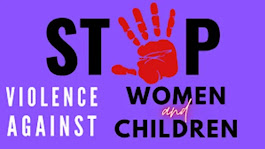

Ending violence against women is not merely a legal or social obligation—it is a moral imperative. The Anti-VAWC Act, Safe Spaces Act, and Anti-Rape Law collectively contribute to the protection and empowerment of women, ensuring a future where they can thrive free from fear and harm. Through campaigns like the 18-day observance, we reaffirm our commitment to these ideals, urging every individual to take part in dismantling the culture of violence and fostering equality. This National Women’s Month, let us celebrate not just the achievements of women but also the strides made in safeguarding their rights, striving for a truly inclusive society.


Sources : Philippine Statistics Authority. (2023). Philippine Statistics Authority | Republic of the Philippines. Psa.gov.ph. https://psa.gov.ph/

‌Amnesty International Philippines. (n.d.). Amnesty Philippines. https://www.amnesty.org.ph/

‌(2024). Gabrielawomensparty.net. https://ww25.gabrielawomensparty.net/?subid1=20241209-2241-05d0-9047-f89d5db6cb41

‌R.A. 11313: Safe Spaces Act. (2024, July 14). Labor Law PH Library. https://library.laborlaw.ph/r-a-11313-safe-spaces-act/

‌Respicio, H. (2025, January 16). RESPICIO & CO. RESPICIO & CO. https://www.respicio.ph/bar/2025/criminal-law/special-penal-laws/an-act-providing-for-stronger-protection-against

‌Philippines Demographic and Health Survey 2022 | GHDx. (2022). Healthdata.org. https://ghdx.healthdata.org/record/philippines-demographic-and-health-survey-2022

‌REPUBLIC ACT NO. 11648 - AN ACT PROMOTING FOR STRONGER PROTECTION AGAINST RAPE AND SEXUAL EXPLOITATION AND ABUSE, INCREASING THE AGE FOR DETERMINING THE COMMISSION OF STATUTORY RAPE, AMENDING FOR THE PURPOSE ACT NO. 3815, AS AMENDED, OTHERWISE KNOWN AS “THE REVISED PENAL CODE,” REPUBLIC ACT NO. 8353, ALSO KNOWN AS “THE ANTI-RAPE LAW OF 1997,” AND REPUBLIC ACT NO. 7610, AS AMENDED, OTHERWISE KNOWN AS THE “SPECIAL PROTECTION OF CHILDREN AGAINST ABUSE, EXPLOITATION AND DISCRIMINATION ACT” - Supreme Court E-Library. (2022). Judiciary.gov.ph. https://elibrary.judiciary.gov.ph/thebookshelf/showdocs/2/94255?utm_

‌Philippine Statistics Authority (PSA. (2023, June 7). National Demographic and Health Survey 2022 - Philippines. Worldbank.org. https://microdata.worldbank.org/index.php/catalog/5846?utm_ 

‌

Thursday, December 5, 2024

Elpidio Quirino: A Legacy of Leadership and Service

 Elpidio Quirino: A Legacy of Leadership and Service

    Elpidio Quirino, the sixth President of the Philippines, is remembered as a statesman whose life and leadership were marked by resilience, determination, and a vision for a progressive nation. From his humble beginnings to his remarkable career in public service, Quirino's story continues to inspire generations of Filipinos.

    Elpidio Quirino was born on November 16, 1890, in Vigan, Ilocos Sur. His parents, Mariano Quirino and Gregoria Rivera, instilled in him the values of perseverance and education despite their modest means. He pursued his early education in Vigan and later graduated from the University of the Philippines with a degree in law in 1915. His journey from being a schoolteacher to a lawyer was fueled by his desire to uplift his family and contribute to his country’s progress.

    Quirino’s political career began when he served as a private secretary to President Manuel Quezon in 1919. He was later elected as a congressman representing Ilocos Sur, where he became known for his advocacy for national development and public welfare. He continued to rise through the political ranks, serving as a senator and eventually as Vice President under President Manuel Roxas in 1946. When President Roxas passed away in 1948, Quirino assumed the presidency. He was later elected in his own right in 1949, becoming the second President of the independent Republic of the Philippines.

    Quirino’s presidency was a period of reconstruction and recovery following the devastation of World War II. His administration focused on rebuilding the nation’s economy, modernizing infrastructure, and promoting social welfare. Under his leadership, the Central Bank of the Philippines was established to stabilize the country’s financial system. He also championed agrarian reform and housing projects, providing land and shelter to war veterans and impoverished families. Despite criticisms and controversies during his term, including allegations of corruption, Quirino remained steadfast in his vision of creating a stronger, more self-reliant nation.


    Beyond his economic programs, Quirino was deeply committed to promoting education and cultural preservation. He believed that a strong educational system was vital to nation-building and emphasized the importance of instilling patriotism in the youth. His administration also fostered closer ties with neighboring countries, strengthening the Philippines’ role in regional diplomacy and cooperation.

    Elpidio Quirino’s leadership and resilience left a lasting legacy, shaping the Philippines during a time of recovery and transition. His dedication to public service, despite personal tragedies—including the loss of his wife and children during World War II—demonstrated his unwavering commitment to his nation. Quirino’s life reminds us of the power of determination and vision in overcoming adversity and striving for progress.


    Today, his contributions to the Philippines serve as a testament to his enduring legacy as a leader who sought to rebuild and inspire a nation in the aftermath of war.


Sources : https://up.edu.ph/
https://www.nhcp.gov.ph/
https://psa.gov.ph/

Honoring Heritage: Promoting the Rights and Culture of Indigenous Peoples

 Honoring Heritage: Promoting the Rights and Culture of Indigenous Peoples

    The celebration of National Indigenous Peoples Month 2024 and the 27th year of the Indigenous Peoples Rights Act (IPRA) shines a spotlight on the invaluable contributions of Indigenous Peoples (IPs) to our nation’s identity. With the theme, “Mga Katutubo at Katutubong Dunong: Pahalagahan, Pangalagaan, at Parangalan,” this observance serves as both a tribute to their enduring legacy and a call to action to protect their rights, lands, and cultural heritage.


    The IPRA, enacted in 1997, was a landmark legislation that affirmed the rights of IPs to ancestral domains, self-governance, cultural integrity, and social justice. This law stands as a testament to the recognition of their rightful place in Philippine society. The month-long observance, through various cultural and educational initiatives, amplifies the importance of these rights and highlights the unique traditions, knowledge systems, and practices that IPs have safeguarded for generations.

    By celebrating Indigenous Peoples Month, awareness about the challenges faced by IPs, such as land disputes, discrimination, and the erosion of traditional practices, is heightened. Cultural showcases, storytelling, and dialogues foster deeper understanding and appreciation among the broader public. These efforts help dismantle stereotypes, reduce marginalization, and create avenues for collaboration in addressing the issues IPs face.


Furthermore, the theme emphasizes the need for action: valuing Indigenous knowledge by incorporating it into education and environmental conservation, nurturing their communities through policies that support their livelihoods and well-being, and honoring their contributions by giving them a platform to share their voices and stories. Such initiatives not only preserve their heritage but also inspire sustainable practices rooted in ancestral wisdom.

    This observance also aligns with global efforts to uphold Indigenous rights, resonating with the principles of the United Nations Declaration on the Rights of Indigenous Peoples (UNDRIP). By fostering an inclusive society that respects diversity, the Philippines contributes to a global movement that cherishes humanity’s shared heritage.


    As we commemorate the 27th year of the IPRA, let us renew our commitment to stand alongside our Indigenous brothers and sisters in their fight for justice, equality, and recognition. Their knowledge and culture are treasures that enrich our national identity, and it is our duty to ensure their preservation for generations to come.

    Let us not only celebrate their legacy this October but carry forward the lessons of respect and inclusion every day. Together, we can build a society that truly values, nurtures, and honors the Indigenous Peoples of the Philippines.


Sources : https://psa.gov.ph/
https://social.desa.un.org/issues/indigenous-peoples/united-nations-declaration-on-the-rights-of-indigenous-peoples
https://www.unesco.org/en/indigenous-peoples
https://www.ncip.gov.ph/

Climate Change and the Resilience of Filipinos: Facing Environmental Challenges Together

 Climate Change and the Resilience of Filipinos: Facing Environmental Challenges Together

    The Philippines is no stranger to the impacts of climate change. As one of the most vulnerable countries to environmental disasters, our nation faces the harsh realities of rising sea levels, worsening typhoons, and unpredictable weather patterns. These challenges disrupt lives, livelihoods, and communities, leaving many Filipinos in a constant state of rebuilding and adapting.


    The environmental changes we witness today are both sudden and progressive, driven by several interconnected factors. Global warming, fueled by greenhouse gas emissions from burning fossil fuels, deforestation, and industrial activities, has led to rising global temperatures and more intense weather events. Deforestation and land degradation have stripped the country of natural barriers, making communities more susceptible to floods and landslides. Rapid urbanization, often outpacing infrastructure development, exacerbates the problem, as poor waste management leads to clogged drainage systems and worsens flooding. Rising sea levels threaten coastal areas where many Filipinos live, causing displacement, habitat destruction, and erosion of vital natural resources. Moreover, climate patterns such as El Niño and La Niña disrupt water supplies and agricultural productivity, undermining food security for millions.

    Despite these challenges, Filipinos have shown extraordinary resilience. The spirit of bayanihan, or collective action, emerges during calamities, with communities coming together to rebuild, share resources, and support one another. This resilience is a source of national pride, but it must be complemented by long-term solutions to address the root causes of climate change and reduce vulnerabilities.


Strengthening the enforcement of environmental policies such as the Clean Air Act and the Climate Change Act is crucial to mitigating damage. Investing in renewable energy sources like solar and wind can reduce greenhouse gas emissions and ensure a sustainable future. Empowering communities to develop disaster-resilient infrastructure and sustainable practices is equally important in reducing risks. Education and public awareness campaigns must also play a role in promoting environmental responsibility and sustainable lifestyles.


The challenges posed by climate change demand a united response. Resilience alone is not enough. We must adapt, innovate, and advocate for systemic change to protect the lives and livelihoods of millions of Filipinos. Together, we can build a more resilient and sustainable Philippines—one that not only withstands the storms of climate change but thrives despite them.

This is a call to action for all of us to take part in creating a safer, more sustainable future for our nation and the generations to come. Let us stand firm and work together to protect our people and our environment.


Sources : https://www.ipcc.ch/
https://denr.gov.ph/
https://www.noaa.gov/

Breaking the Prevalence, Ending the Violence: A Call for Action on National Children's Month 2024


Breaking the Prevalence, Ending the Violence: A Call for Action on National Children's Month 2024

    Every child deserves to grow up in an environment free from fear, harm, and violence—a space where they can explore their potential and live a life of dignity. This year’s National Children’s Month theme, “Break the Prevalence, End the Violence: Protecting Children, Creating a Safe Philippines,” serves as a powerful call to action for our society to unite in safeguarding the rights and well-being of every Filipino child.

    Child abuse and violence are more prevalent than we often acknowledge. Reports of maltreatment, neglect, exploitation, and bullying remain alarming, with many cases going unreported due to fear or lack of access to support. These injustices not only scar children physically and emotionally but also compromise their future and that of our nation.

    Addressing these issues requires a multi-sectoral approach. Families, schools, communities, and the government must work hand in hand to enforce child protection laws like RA 7610 (Special Protection of Children Against Abuse, Exploitation, and Discrimination Act) and RA 10627 (Anti-Bullying Act). Public awareness campaigns, child-friendly spaces, and accessible reporting mechanisms must be strengthened.

    Moreover, the role of education is pivotal. Schools should not only serve as havens of learning but also as environments where children are taught their rights and empowered to speak out against abuse. Teachers and caregivers must be equipped with the tools to recognize signs of abuse and provide timely intervention.

    To truly protect children, we need to foster a culture of respect, empathy, and accountability. We must challenge harmful norms that perpetuate violence and cultivate safe spaces in homes, schools, and public places. Grassroots movements can amplify the voices of children, ensuring their needs and aspirations shape the policies that affect their lives.

    The 2024 National Children’s Month theme reminds us that ending violence against children is not just a goal but a duty. By breaking the cycle of abuse and creating safer environments, we can ensure that every child grows up with hope, confidence, and the opportunity to thrive.

    Let us commit to being agents of change—listening to children, protecting their rights, and building a nation that truly values its youngest citizens. Together, we can create a safer, brighter future for all Filipino children.


Sources : https://www.iligannews.com/celebrating-the-32nd-national-childrens-month-protecting-children-creating-a-safe-philippines/
https://cwc.gov.ph/
https://www.unicef.org/

A Journey of Tradition and Unity: ISNHS 123rd High School Day

 A Journey of Tradition and Unity: ISNHS 123rd High School Day The excitement was in the air. The smell of fresh grass and street food mixed...